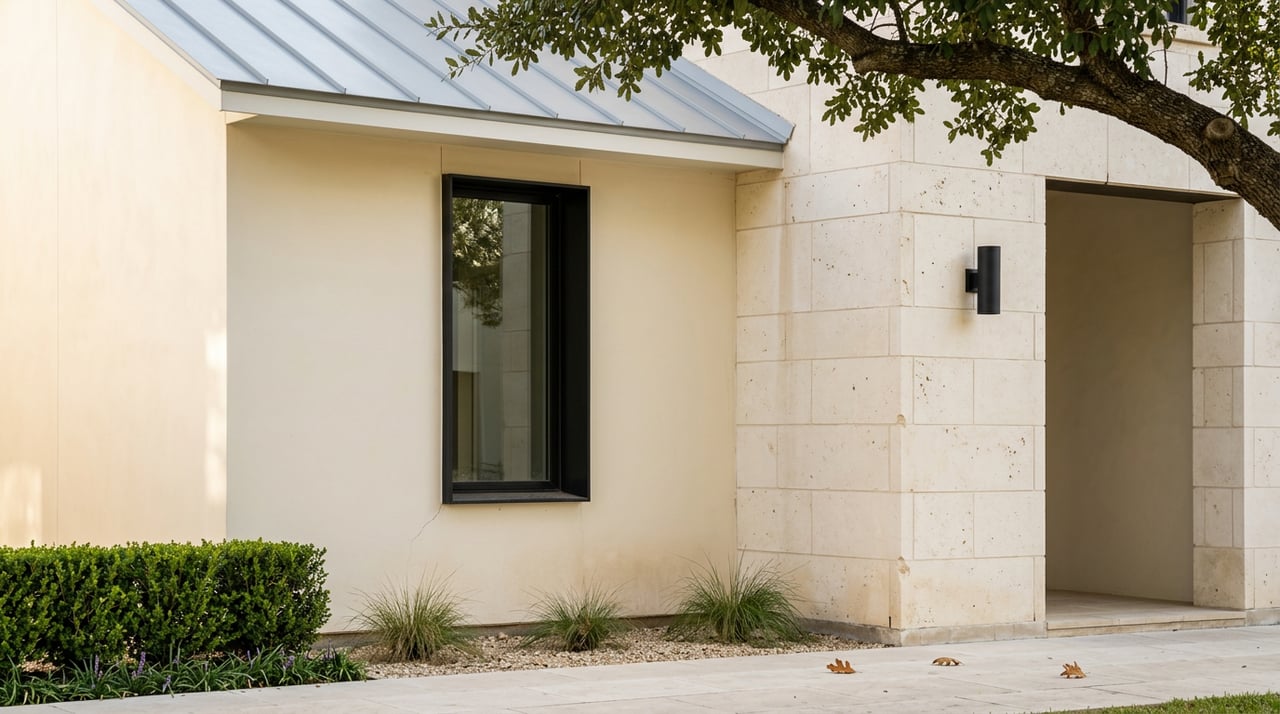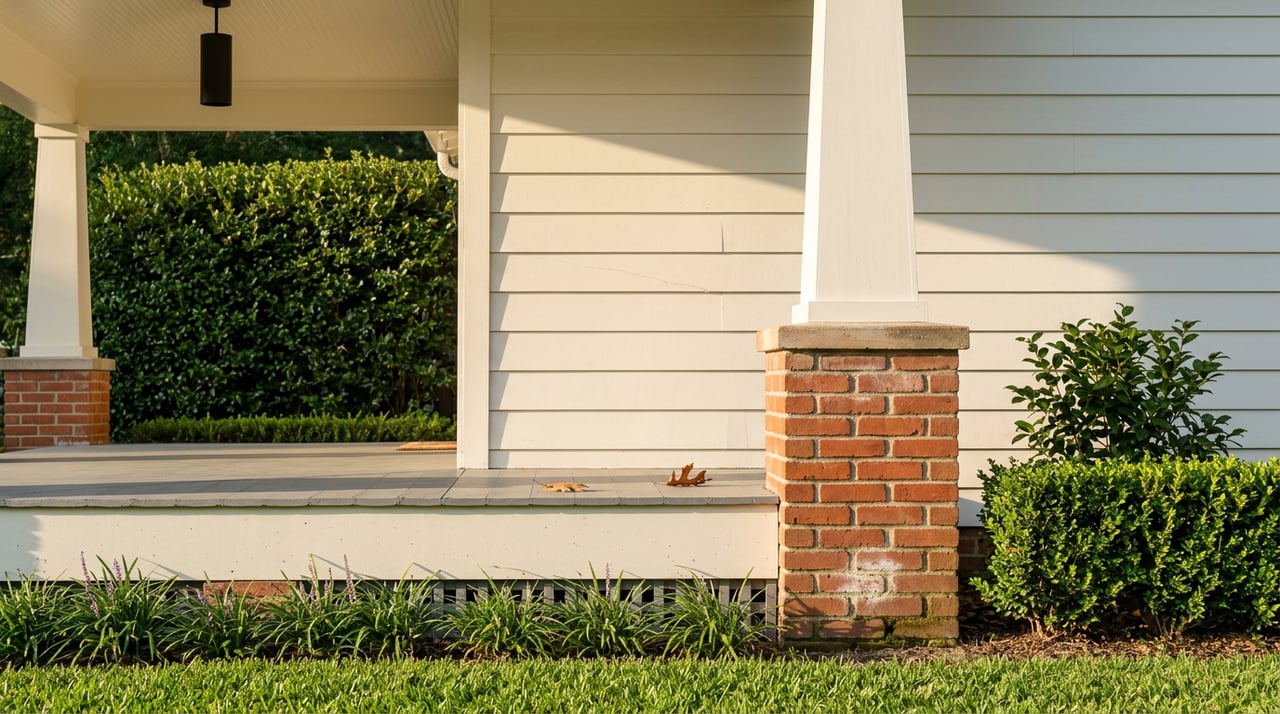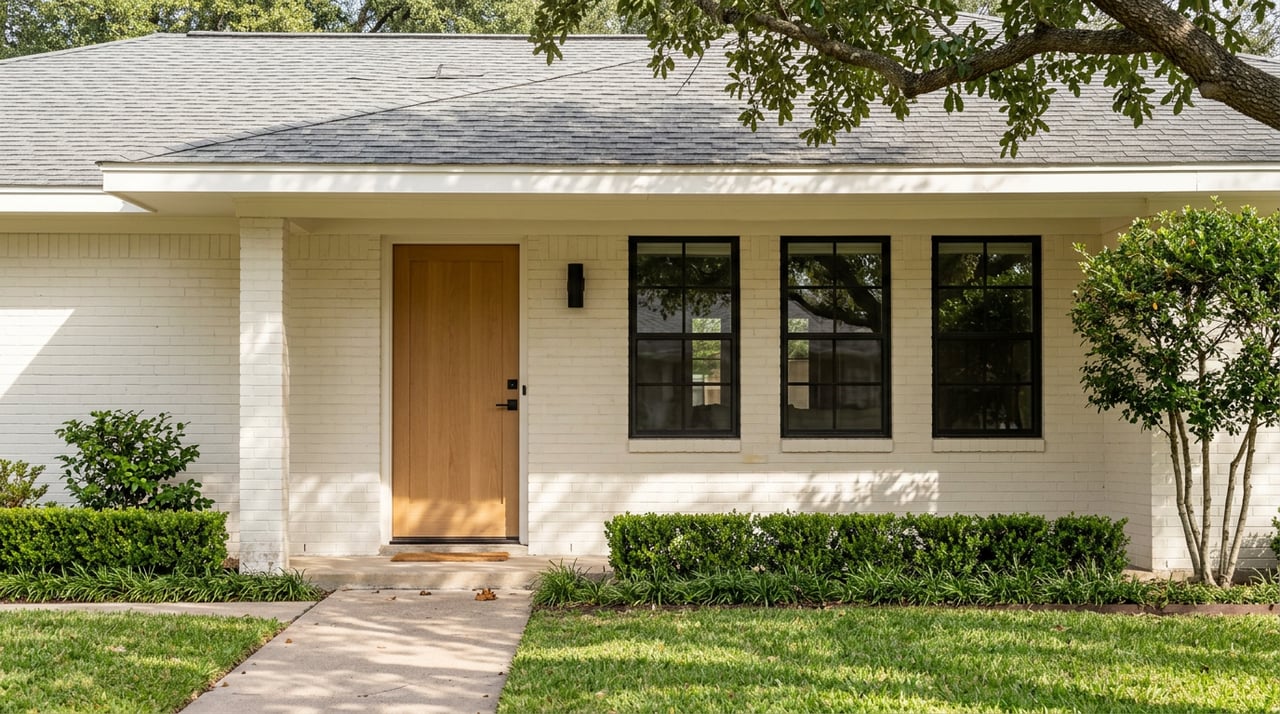
Open any citywide market summary for June 2026 and you get the same picture: Houston is cooling, buyers have leverage, and sellers should price defensively. Drive ten minutes north of downtown and none of that is true. The Heights closed April 2026 at a record median of $775,500, homes there are still moving in roughly ten days, and buyers on remodeled bungalows are being asked to sharpen offers rather than shave them.
That gap is the story. It also has a mechanism, and the mechanism is what should shape how you write an offer here.
The thesis, before the numbers
The Greater Heights is not a lagging indicator of the citywide market. It is a structurally separate one. Hospitality capital has spent the last eighteen months treating this zip code as Houston's front door, and the housing supply has not expanded to meet the resulting demand. When two curves move in opposite directions like this, buyers who apply a citywide playbook to a Heights offer misread the room.
Every section below is evidence for that claim.
Two markets, one metro
| Metric | Greater Houston, May 2026 | The Heights, April 2026 |
|---|---|---|
| Single-family median sale price | ~$340,000 | $775,500 (record) |
| Days on market | 54 | ~10 |
| Months of supply | ~5.1 | Down year over year |
| Direction of prices | Softening | Record highs |
The Greater Houston figures come from the Houston Association of Realtors' May 2026 update, which showed days on market for single-family homes increasing from 51 to 54, the median statistically flat at $340,000, the average up 2.3% to $447,301, and inventory unchanged at a 5.1-months supply. Pending sales that month climbed to their strongest level of contract activity since May 2022, but that pipeline is spread across a metro where active listings edged up from roughly 33,000 in December to 37,000 in May.
The Heights figures move the other direction. In April 2026 the neighborhood posted 104 closings, up 13% from the prior year, and the median was up about 4.5% from a year earlier and roughly 17% higher than two years prior, when the April median was $660,000. Inventory here shrank while the metro added listings.
Same city. Different market.
Where the demand is actually coming from
The easy explanation is "the Heights is hot." The interesting explanation is who has been quietly making it hotter.
Between early 2025 and mid-2026, one neighborhood inside the 610 Loop has absorbed a run of hospitality bets that would flatter any dining district in Texas:
- Agnes & Sherman, the Asian American diner from chef Nick Wong and partner Lisa Lee, opened in the Heights and went on to earn Texas Monthly's highest recognition as Restaurant of the Year for 2026.
- Hypsi brought chef Terrence Gallivan back to a Houston kitchen inside the new Hotel Daphne, which itself is a rare inner-loop boutique hotel opening.
- Camaraderie landed in 2025 as a modern American eatery with French influences, earning recognition from both Houstonia and CultureMap as one of the year's most promising openings.
- Jane and the Lion planted Jane Wild's first solo brick-and-mortar bakery on this side of town after years of pop-ups.
- Handies Douzo picked up a nomination for Neighborhood Restaurant of the Year at the 2026 CultureMap Tastemaker Awards and is now using its Heights location as the proof-of-concept for a fourth outpost in the Galleria area's Central Park Post Oak development.
- Alturas opened February 6, 2026 with east-central Mexican cooking, weekend menudo, and café de olla.
- Long Weekend, the ranch-inspired family restaurant from Paige and Andrew Alvis, opened on Wednesday, March 4.
- The Green Room, a 26-seat concept from Doke Concepts of Heights & Co. and Lazy Lane, is running a five-course chef's dinner format.
- Angie's Pizza at 1002 W 11th is a return to the Houston dining scene from chef Angelo Emiliani, a protege of legendary pizzaiolo Chris Bianco, projected for summer 2026.
- Flor y Miel is moving from catering and pop-ups into an upscale casual Heights space this year.
- Terry Black's BBQ chose the Heights for its Houston debut, arriving alongside a new boutique hotel.
- The Swift BLDG at 621 Waverly, a warehouse redevelopment, just added Leemoo and Van Leeuwen Ice Cream, with Van Leeuwen slated for late 2026.
That is not a food scene. That is a demand engine. Every one of those operators is betting that people with discretionary income want a reason to be inside the Loop on a Friday night, and each opening pulls a fresh cohort of would-be buyers through the neighborhood on foot before they ever open a portal.
What a Heights buyer is actually competing against
Once you understand the demand side, the transaction side reads differently.
The friction that catches out-of-neighborhood buyers here is not price. It is pace and posture. When inventory is down year over year and closings are up 13%, the marginal buyer is not sitting on a second showing. Local reporting on the current cycle is blunt about it: demand in the Heights is strong enough that buyers are often negotiating up, not down, especially on remodeled bungalows and historic homes. That is the opposite instruction from every citywide market update a relocating buyer has read.
Three practical implications follow.
Pricing strategy inverts. In a metro with 54 days on market, a seller who lists slightly high can wait. In a neighborhood with ten days on market, the same move stalls a home that should have sold quickly. Undershooting the list to invite competing offers is, in this pocket, often the higher-yield move.
The "citywide affordability improving" narrative is misleading here. The Greater Houston Partnership noted that mortgage rates have ticked up since the outbreak of conflict with Iran, with the average 30-year fixed climbing from 6.0 percent on February 26 before the conflict to 6.5 percent by June 4. In softer submarkets that rate move shows up as concessions and buydowns. In the Heights it shows up as a slightly smaller buyer pool competing for the same short list, which does not translate into discounts.
What the money buys is not commodity square footage. The citywide $340,000 median gets you a suburban single-family home with a five-month cushion to think it over. The Heights median is more than double that and buys a different product entirely: a small-lot renovated bungalow, a new-build townhome on a subdivided historic lot, or a walkable position inside a hospitality corridor the rest of the metro is still catching up to. Buyers weighing "Heights vs. anywhere else in the Loop" are really weighing whether that walkability premium is worth roughly a 2x multiple over the citywide median.
A short FAQ for buyers comparing neighborhoods
Is the Heights premium a bubble tied to restaurant openings? The restaurant activity is a symptom of demand, not the cause of the price level. What the openings do confirm is that operators with capital are underwriting the neighborhood as Houston's next decade of inner-loop density. That is directional information for a buyer thinking about five-year resale.
Should I wait for citywide inventory gains to reach the Heights? They may not. The metro's inventory build has concentrated in suburban and new-construction corridors. Inner-loop pockets have stayed more competitive, and the Heights specifically has moved the other direction on supply this cycle.
Is a rate buydown the right tool here? In the softer parts of the metro, sellers are using 2-1 buydowns to move hesitant buyers. In the Heights, most sellers of well-prepared homes do not need to. A buyer counting on a seller-funded buydown as their affordability plan should stress-test the offer without one.
What about new construction versus historic bungalows? Both are moving. The scarcity is concentrated in the renovated historic inventory, which is where competing-offer situations cluster. New construction townhomes give a buyer more control over timing and terms, at the cost of the streetscape a lot of Heights buyers came here for in the first place.
The bottom line for a comparing buyer
Two things are true at once in Houston right now. The metro has genuinely cooled. The Heights genuinely has not. A buyer who reads only the first sentence writes the wrong offer. A buyer who reads both plans a Heights search around speed of decision, quality of preparation, and a realistic view of what the neighborhood's hospitality build-out is doing to the demand curve underneath their price band.
If you are weighing a move into the Heights or comparing it against Tanglewood, Memorial, or Briar Meadow, Lauren Laigle can walk you through the current inventory on your block, what recent closings actually traded for, and where a competitive offer needs to land this month. Request a complimentary consultation and home valuation to get started.