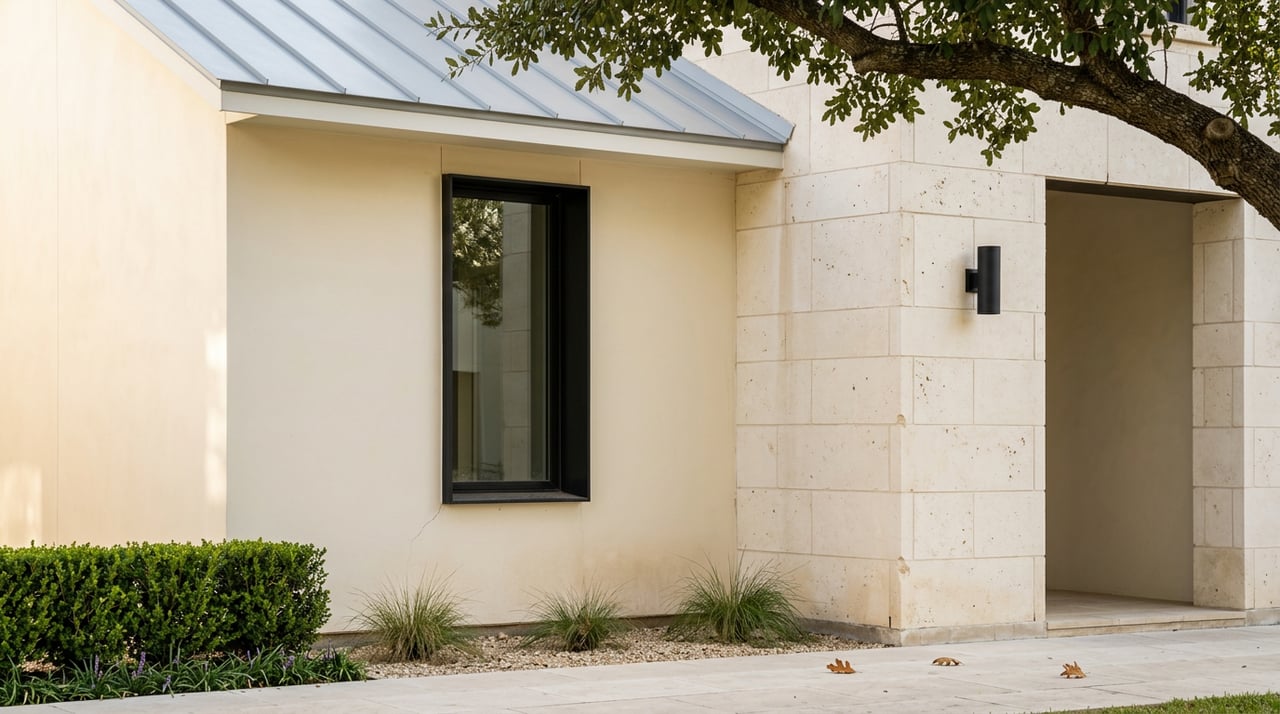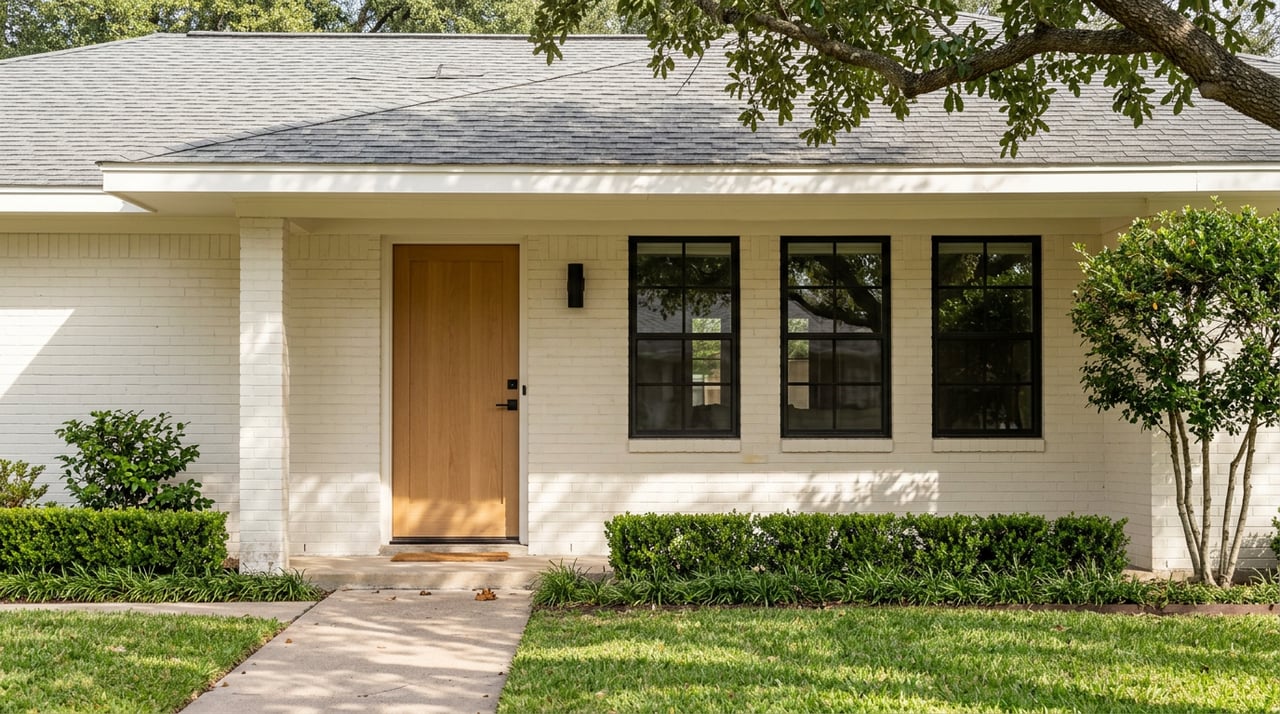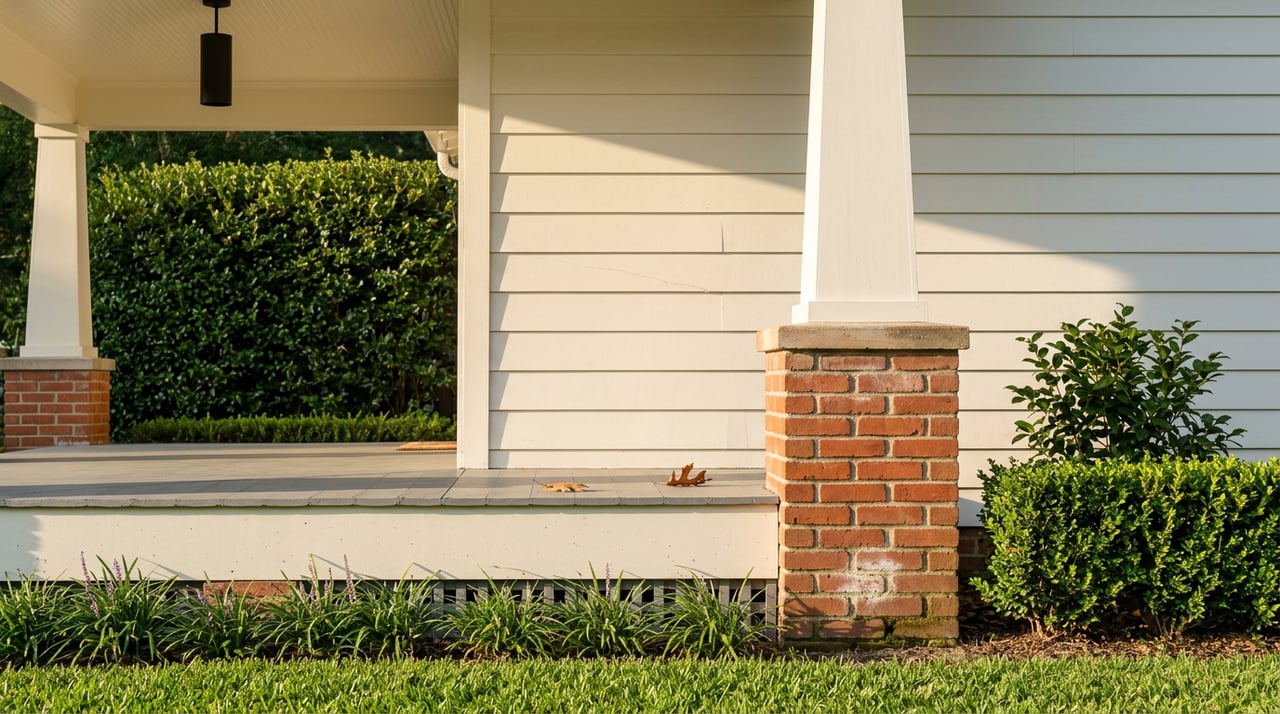
The Houston Heights is one of the few Inner Loop submarkets where sellers still hold real leverage. In April 2026, the neighborhood posted a record median sale price of $775,500, with 104 homes closing and a median of roughly ten days on market, up about 4.5% year over year and roughly 17% higher than two Aprils earlier. The rest of Houston is watching homes sit. The Heights is watching them go.
That headline hides where the leverage actually gets tested. On a 1920 bungalow inside one of the City-designated historic districts, the transaction stress does not show up on the list price. It shows up between contract and close, when three separate rulebooks land on the kitchen table at once: the Houston Archaeological and Historical Commission's Certificate of Appropriateness process, the Texas Seller's Disclosure Notice under Property Code §5.008, and the physics of a wood-framed pier-and-beam foundation that has been quietly moving since Warren G. Harding was in office. Sellers who understand how those three interact keep their leverage. Sellers who don't tend to give it back in the option period.
The one map a Heights seller should check first
Before the first showing, confirm two things that most owners assume they already know. The first is whether the property sits inside a designated historic district. The Heights currently contains three City of Houston historic districts, named for their location: Houston Heights East, West, and South. Neighboring districts including Woodland Heights, Norhill, Freeland, and Germantown carry their own overlays. As of January 2026, the City of Houston reports 23 historic districts and 305 landmarks under the Houston Archaeological and Historical Commission's review.
The second question is whether the specific structure is a contributing one within its district. Not every home inside the boundary is contributing, and the answer changes what a buyer can plausibly do after closing, which changes what your listing photos should emphasize and what your disclosure has to explain.
What COA rules quietly rule out of your pre-listing punch list
Owners preparing to list often plan a light cosmetic refresh: swap the drafty original windows, pull the old shiplap for a cleaner drywall look, straighten the front porch line, put a modern roof profile on. Inside a Heights historic district, most of that is regulated exterior work, and it requires a Certificate of Appropriateness before it can happen.
A few specifics that catch first-time sellers off guard:
- Windows are external construction. Replacement windows require HAHC approval, and new or replacement openings must maintain the width and height proportion of the originals under the City's alteration criteria.
- Shiplap stays. Interior renovations generally do not require a COA, but if the walls turn out to be original shiplap, it cannot be removed from the home. It can be covered with sheetrock, but not pulled out.
- Original porches and roof pitches are protected. The alteration guidelines state that original porch structures should be maintained and the original roof pitch and shape should remain intact.
- Finished floor height is capped. The current guidelines limit maximum finished floor height to 32 inches, a number that matters if a prior owner already lifted the house or if a buyer is planning to.
- Demolition is heavily restricted. COA applicants must demonstrate hardship or structural necessity, and many demolition requests are denied.
The practical implication for a seller is narrower than it sounds. It does not mean you cannot prepare the home. It means the highest-ROI pre-listing improvements on a Heights bungalow are almost always interior: refinished original floors, kitchen and bath updates that respect existing openings, and paint. Money spent trying to change the street-facing envelope tends to get eaten by review timelines that outrun a spring listing window.
Pier and beam is not a red flag. An unread elevation report is.
Older homes in the Heights almost universally sit on pier-and-beam foundations rather than slab. That is not a defect, and buyers who have been shopping the neighborhood know it. What moves a deal sideways is a seller who has never had the crawl space looked at and is meeting the buyer's structural engineer for the first time on day four of the option period.
Houston clay expands when it gets wet and shrinks when it dries out, and that cycle puts stress on both the piers below the home and the wood framing above. The signs a buyer's inspector will look for are consistent: floors that feel bouncy or sag in specific spots, doors that stick or no longer latch cleanly, widening trim gaps around doors and windows, hairline cracks in exterior brick that were not there a year ago, and standing water or damp soil in the crawl space. All of them are fixable. None of them are cheap to fix on the buyer's timeline rather than yours.
A pre-listing inspection with a structural engineer, not just a general inspector, changes the negotiation dynamic. Firms like Crosstown Engineering staff structural engineers who will crawl the entire crawl space rather than take a visual read from the perimeter, and localized shim-and-level work through operators experienced with Heights homes is usually far less than what a buyer's credit request will demand for the same finding. The point is not to eliminate the pier-and-beam narrative. It is to own it before the buyer's inspector writes it.
What TREC Form OP-H actually asks about a 1920 bungalow
Texas Property Code §5.008 requires the seller of a single-dwelling residence to deliver a written Seller's Disclosure Notice on or before the execution of the purchase contract. TREC Form OP-H is the standard form used in almost every Texas residential transaction. If the notice is delivered late, the buyer has the right to terminate within seven days of receiving it. Knowing violations can expose a seller to Deceptive Trade Practices Act claims of up to three times actual damages plus attorney fees.
A bungalow triggers more of the form's categories than a newer home. The ones that require the most care on a Heights property:
| Form OP-H category | What a pre-1940 Heights bungalow typically triggers |
|---|---|
| Structural components | Foundation type (pier-and-beam), any prior leveling, shim history, joist or sill replacement, previous additions |
| Environmental hazards | Lead-based paint on any home built before 1978, plus federal Residential Lead-Based Paint Hazard Reduction Act obligations including the EPA pamphlet and 10-day buyer inspection window |
| Water and moisture | Any known drainage work, prior standing water in the crawl space, roof leaks, and previous flooding |
| Improvements and repairs | Every documented repair the current owner is aware of, with dates where known |
| Legal and regulatory | Historic district status, any open or resolved HAHC matters, deed restrictions |
Two nuances matter here. The form is completed to the best of the seller's belief and knowledge as of the signing date, and "unknown" is an allowable answer. But knowledge you actually have, including repairs completed by a prior spouse, parent, or estate you inherited from, is knowledge the courts have treated as disclosable. Over-disclosure protects the seller. Under-disclosure hands the buyer a termination right and, potentially, a lawsuit.
The Heights market case for doing this work before you list
In a slower market, pre-listing prep is a differentiator. In the current Heights market, it is closer to a hedge. The neighborhood's inventory is down year over year while the rest of the city is adding listings, and homes at the median are transacting in about ten days. That pace only holds for properties where the buyer's inspection period does not surface a story the seller has not already told.
A useful contrast: in May 2026, single-family days on market across greater Houston rose to 54 days and single-family inventory sat at a 5.1-month supply, with the region's median statistically flat at $340,000. The Heights median in April was more than double that, and the market clearing time was roughly one-fifth. Buyers paying $775,000-plus for a century-old bungalow are not paying for surprises. Every unknown that gets discovered during the option period is priced twice, once as a repair credit and once as a confidence discount.
Sellers who arrive at listing day with a pre-inspection report, a completed and thorough Form OP-H, and a clean read on their historic district status tend to keep the pricing power the neighborhood data suggests they should have. Sellers who do not tend to renegotiate on day seven.
Frequently asked questions
Do I need a COA to paint or landscape before listing? Routine maintenance and painting in an existing color scheme generally do not require review, and most interior work is exempt. Anything altering the exterior envelope, including windows, siding profiles, roof material changes, front porch modifications, or new construction on the lot, does. When in doubt, the Houston Historic Preservation Office is the correct first call.
If I never lived in the house, do I still have to disclose? Section 5.008 has narrow exemptions, including transfers by executors, trustees, and certain fiduciaries, and homes where the dwelling value does not exceed 5% of total property value. Most owner-sellers do not qualify. Even exempt sellers remain exposed to fraud and misrepresentation claims for active concealment.
Should I fix the foundation before listing or credit the buyer? The math almost always favors fixing localized issues on your timeline with your chosen contractor rather than credit at closing. Buyer credit requests are built off buyer estimates, and buyer estimates are built off worst-case scopes.
Selling a Heights bungalow rewards preparation more than it rewards ambition. If you are considering a listing in the East, West, or South historic districts, Lauren Laigle offers a complimentary consultation and home valuation, with a pre-listing plan built around the specific structure, district status, and disclosure profile of your home. Request yours to see what your property is positioned to command in this market.