Buying in Tanglewood can feel exciting and a little complex at the same time. You are looking at one of Houston’s most established luxury neighborhoods, where large lots, strong neighborhood standards, and high price points all shape the decision. If you want to buy with more confidence, it helps to know how the area is built, what ownership costs look like, and where the rules can affect your plans. Let’s dive in.
Why Tanglewood draws buyers
Tanglewood is an established Houston neighborhood in the Galleria area with about 1,220 lots across 23 sections. According to the Tanglewood Homes Association, development began in 1949, and the association plays an active role in common-area upkeep, patrol, deed restrictions, and private trash collection.
For many buyers, that combination creates a very specific appeal. You get a central-west Houston location, generous lot sizes, and a neighborhood environment with consistent oversight. If you value space and long-term neighborhood structure, Tanglewood often stands out.
HCAD’s 2025 to 2026 reappraisal plan groups Tanglewood with Galleria and Briargrove in market area 100. That matters because buyers and appraisers may look at Tanglewood alongside other nearby central-west luxury submarkets when comparing value.
Know the housing stock
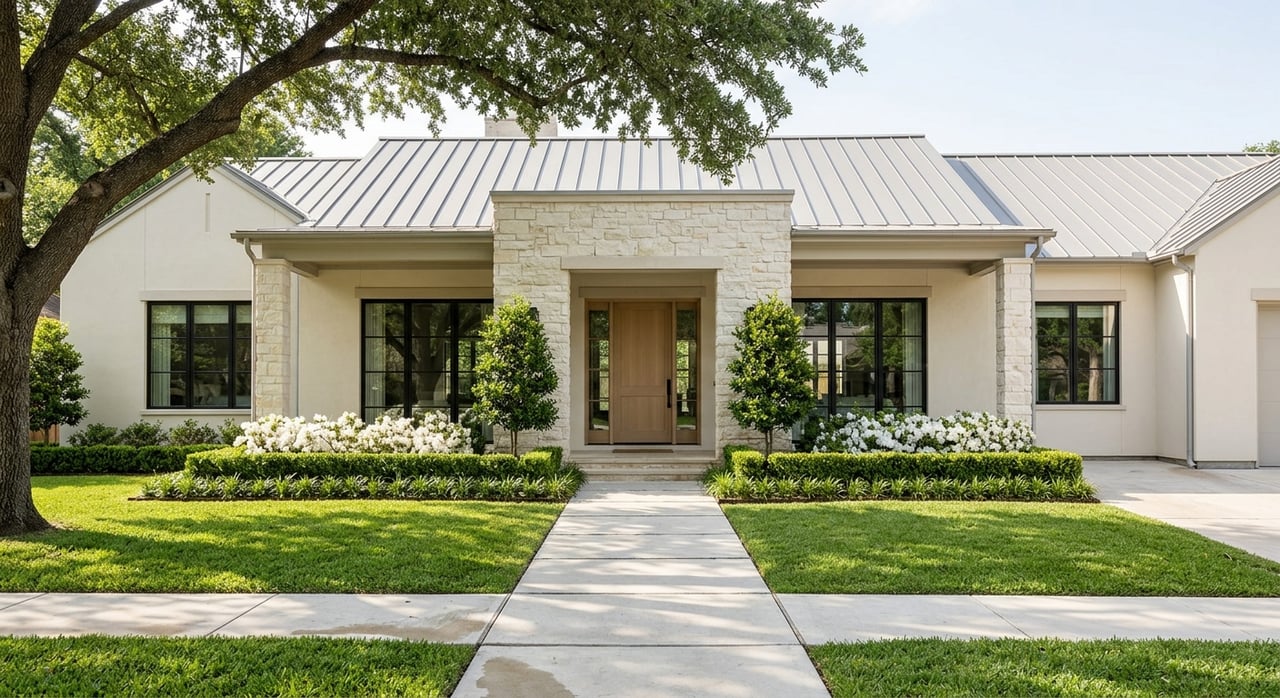
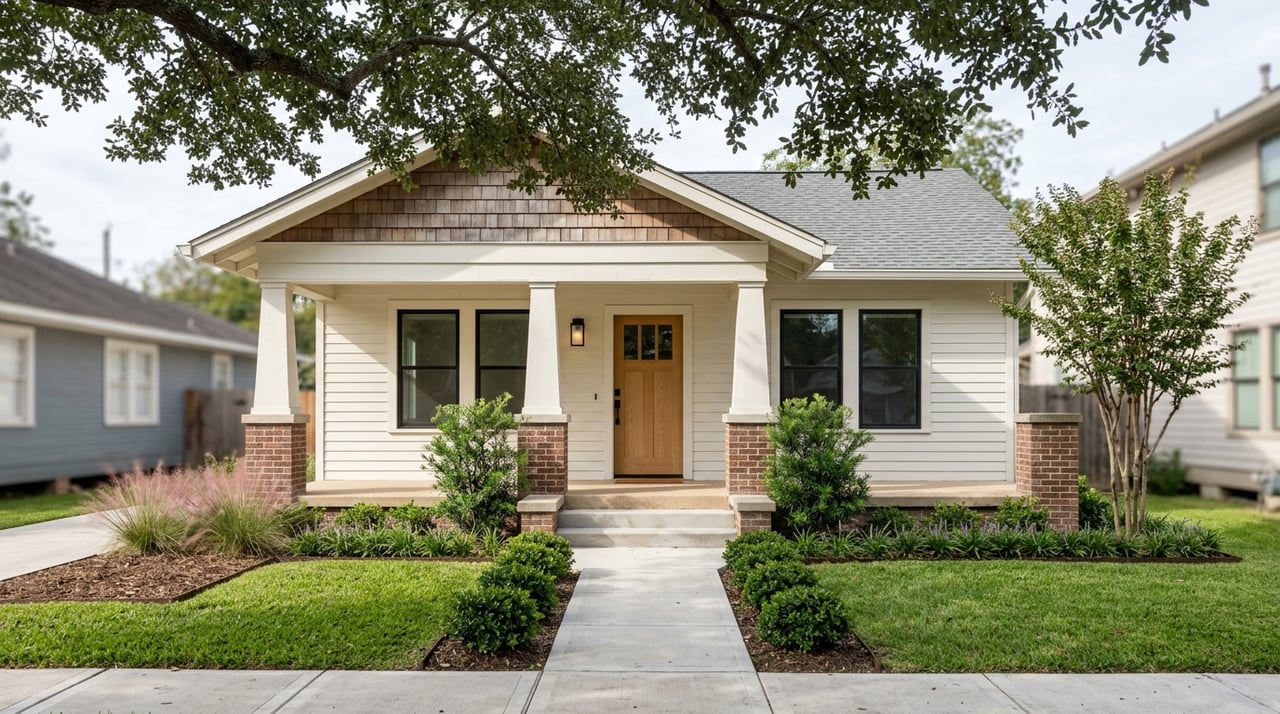
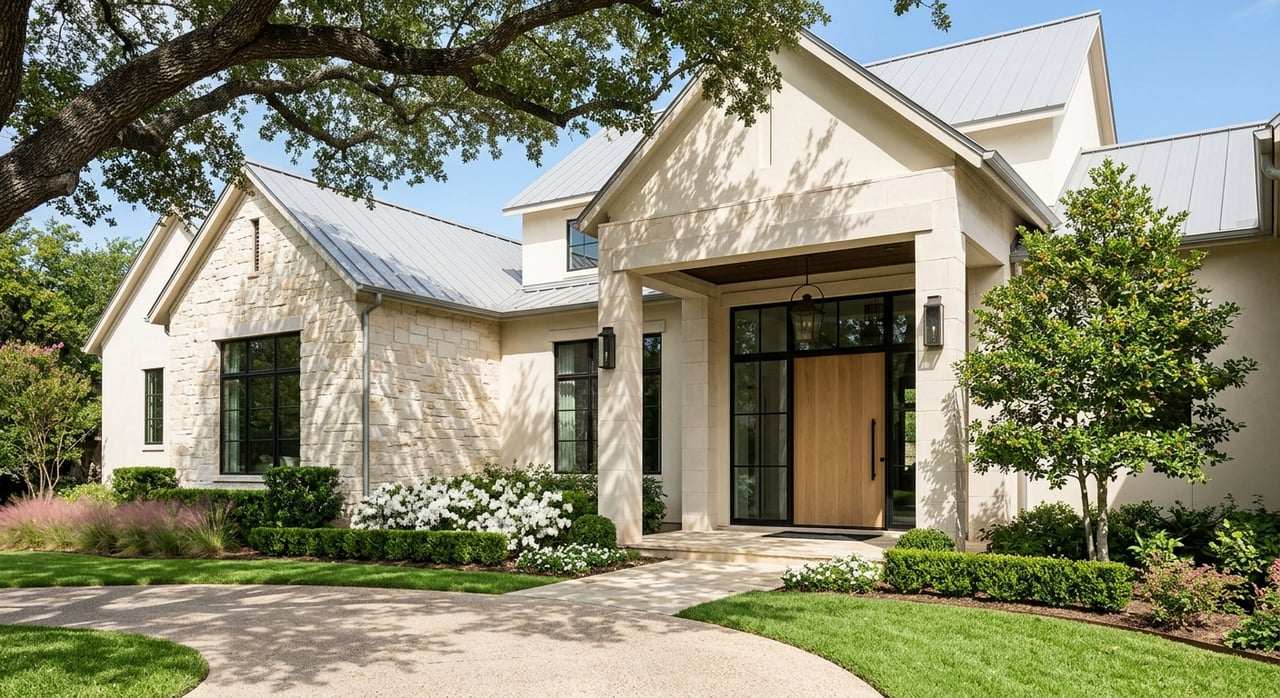
One of the first things to understand about Tanglewood is that it is not a one-style neighborhood. The area began with ranch-style homes on oversized lots, and over time many of those homes have been replaced by larger updated two-story houses.
That mix can be a real advantage if you want options. You may find an older home with renovation potential, a remodeled residence, or a newer custom build. It also means you should look closely at how each home fits the lot, the street, and your long-term goals.
HAR’s 2025 neighborhood facts show a median home size of 5,547 square feet, a median lot size of 16,500 square feet, and a median year built of 1990. Those numbers reinforce what many buyers notice right away: homes here tend to offer meaningful square footage and substantial land compared with many other close-in Houston neighborhoods.
Understand price points and carrying costs
Tanglewood sits firmly in Houston’s high-end market. HAR’s 2025 neighborhood facts list a median market value of $2,437,657 and a median appraised value of $2,299,056.
Price per square foot is also important here. HAR reports a sold-data trend rising from $452.76 per square foot in 2024 to $481.03 in 2025, after a longer increase from $347.72 in 2014. That does not guarantee future appreciation, but it does show how buyers have been valuing this neighborhood over time.
Inventory can be tight and pricing can shift quickly. At the time HAR’s neighborhood page was crawled, it showed 20 homes for sale and 3 for rent, with an average list price of $3,613,640 for homes on the market. In a neighborhood with limited supply, each property can command attention for different reasons, including lot size, condition, architecture, and location within the neighborhood.
You also need to budget for ownership costs beyond the purchase price. THA’s 2026 annual maintenance fee is $3,150 per lot, billed in advance. The association also charges a $100 transfer fee tied to sale or refinance transactions and a $250 fee for preparing resale-certificate information.
Property taxes are another major part of the cost picture. HAR lists multiple taxing jurisdictions, including the City of Houston, Harris County, Houston ISD, Houston Community College, the hospital district, and the flood control district. Your actual tax bill will depend on the parcel and any exemptions that apply.
Deed restrictions matter in Tanglewood
If you are buying in Tanglewood, neighborhood rules are not a side detail. They are a core part of ownership.
The Tanglewood Homes Association says deed restrictions are broadly similar across the 23 sections, but they do vary in details. Those details can include setbacks, roof and wall materials, garage orientation, fencing, driveway entry, and signage.
That means you should not assume that what works on one street will automatically work on another. If you are thinking about adding a pool, updating a roof, repainting the exterior, installing a generator, changing a fence, or planning a major addition, the rules can directly affect your timeline and budget.
THA states that any work outside the home requires approval. New-home or addition approvals can take up to 10 days, and larger exterior projects may require a Builders Deposit Agreement and formal plan submittals.
Think carefully about remodel or rebuild plans
Many buyers look at Tanglewood and see opportunity. Large lots and a mix of older and newer homes can make the neighborhood attractive if you want to personalize a property over time.
That said, this is not the kind of neighborhood where you should buy first and sort out your plans later. THA says exterior work is tightly controlled, with plan review for additions, pools, fences, generators, paint, roofing, driveways, HVAC equipment, and similar improvements. Variances are limited.
If you are considering a tear-down, major renovation, or phased updates, review the applicable deed restrictions early. A house that seems ideal on paper may be less flexible than expected once section-specific rules come into play.
What the Texas contract process means for you
Tanglewood buyers also need to understand a few Texas contract basics. In Texas, the option period is negotiable. According to TREC, if the agreed option fee is paid, you have the unrestricted right to terminate during the option period by written notice.
That option period is often used to inspect the property and negotiate repairs. In a neighborhood with older homes, newer custom construction, and high-value properties, that window can be especially important for evaluating condition, systems, and future maintenance needs.
TREC also states that earnest money and the option fee are generally due within three days after the effective date of the contract. Missing those deadlines can create avoidable problems, so strong transaction management matters.
Because all Tanglewood property is subject to mandatory THA membership, you should also expect HOA document review and a resale certificate in the closing package. This is one more reason it helps to work with someone who is comfortable managing details from contract to close.
Check flood risk by address
Flood risk should be reviewed carefully for any Houston-area purchase, and Tanglewood is no exception. Buyers should verify flood risk by address through FEMA’s Flood Map Service Center, which is the official public source for flood-hazard information.
It is also important to remember that standard homeowners insurance typically does not cover flood damage. Before you close, make sure you understand both the property’s flood-map status and what your insurance coverage would and would not include.
Consider resale from day one
Even if you plan to stay for years, smart buyers think about resale before they close. Tanglewood’s long-term appeal is tied to location, large lots, mature neighborhood character, and the stability created by active deed restrictions and neighborhood patrol.
The strongest resale candidates are often homes that align well with THA rules and present clearly in the context of the neighborhood. Because Tanglewood includes both older ranch homes and newer custom rebuilds, buyers tend to weigh architecture, lot utility, updates, and overall presentation very closely.
This is also where local context matters. Since Tanglewood is grouped with Galleria and Briargrove in HCAD’s market framework, nearby luxury homes may influence how value is viewed over time.
Is Tanglewood the right fit for you?
Tanglewood can be an excellent fit if you want central-west Houston access, substantial space, and a neighborhood with active standards and oversight. For some buyers, those features support confidence and long-term value.
It may be less appealing if you want minimal HOA involvement or the lowest possible carrying costs. The neighborhood’s structure is part of its appeal, but it also comes with responsibilities, review processes, and fees that should be understood upfront.
A successful Tanglewood purchase usually comes down to matching the right property with the right expectations. When you look beyond square footage and finishes and also weigh lot potential, deed restrictions, carrying costs, and resale position, you are much more likely to make a smart decision.
If you are exploring Tanglewood, Lauren Laigle offers neighborhood-focused guidance backed by responsive, high-touch service and deep knowledge of central and west Houston. To talk through available homes, renovation considerations, or your buying strategy, reach out to Lauren Laigle.
FAQs
What should buyers know about Tanglewood HOA rules before purchasing?
- Buyers should know that all Tanglewood properties are subject to mandatory THA membership, and exterior work requires THA approval. Rules can vary by section and may affect additions, pools, fences, paint, roofing, driveways, and other improvements.
What are typical home prices in Tanglewood, Houston?
- HAR’s 2025 neighborhood facts list a median market value of $2,437,657, a median appraised value of $2,299,056, and a median price per square foot of $481.03.
What are the annual fees for owning a home in Tanglewood?
- THA’s 2026 annual maintenance fee is $3,150 per lot. There is also a $100 transfer fee tied to sale or refinance transactions and a $250 fee for resale-certificate preparation.
What is the housing stock like in Tanglewood, Houston?
- Tanglewood includes original ranch-style homes on oversized lots as well as many larger updated two-story homes. HAR reports a median home size of 5,547 square feet and a median lot size of 16,500 square feet.
What should Tanglewood buyers know about the Texas option period?
- In Texas, the option period is negotiable, and TREC says a buyer who pays the agreed option fee has the unrestricted right to terminate during that period by written notice. Buyers commonly use this time for inspections and repair negotiations.
How can buyers check flood risk for a Tanglewood property?
- Buyers should verify flood risk by address through FEMA’s Flood Map Service Center and remember that standard homeowners insurance typically does not cover flood damage.