Buying your first home in Greater Heights can feel exciting and overwhelming at the same time. You want tree‑lined streets, a lively 19th Street scene, and a quick commute, and you also want a clear plan that helps you buy with confidence. This guide gives you a simple, local roadmap for prices, programs, contracts, and due diligence that matter in the Heights. Let’s dive in.
Why Greater Heights appeals to first-time buyers
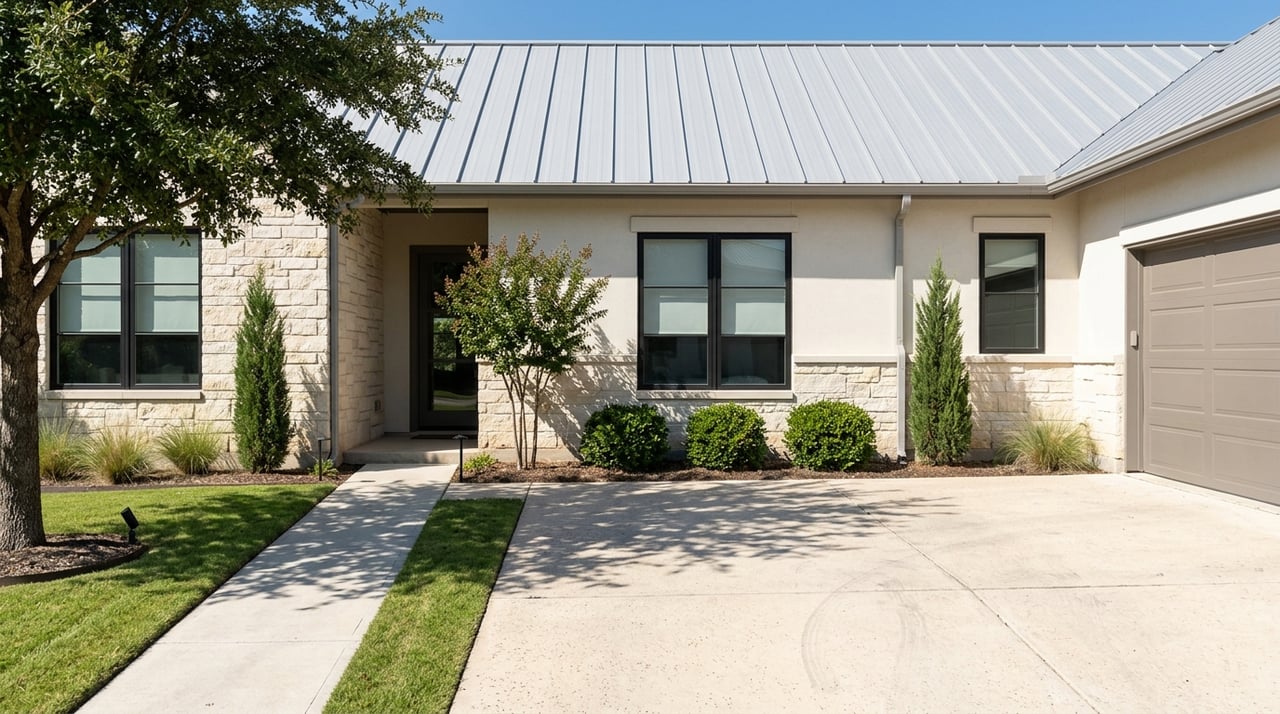
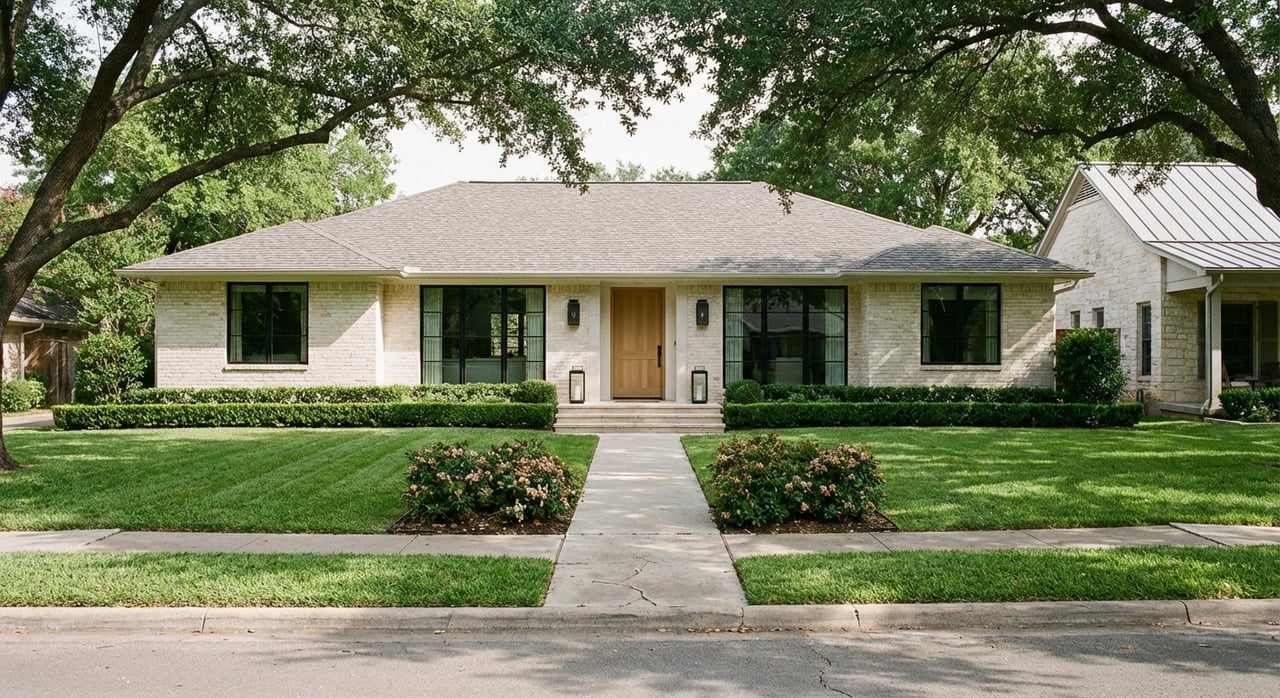
Greater Heights sits just inside the 610 Loop, northwest of downtown Houston, with quick access to major freeways and employment hubs. You will find a blend of renovated early‑20th‑century bungalows, classic cottages, and newer townhomes. Many blocks feature smaller urban lots and a walkable retail strip around 19th Street.
The City’s Super Neighborhood page is the best snapshot of parks, civic clubs, and official boundaries. You can explore those details on the City’s page for Super Neighborhood 15, Greater Heights, including local amenities and community groups listed there. Review the official profile on the City’s site for Greater Heights Super Neighborhood 15.
Public schools that serve parts of the Heights include Harvard Elementary, Hogg Middle School, and Heights High School. Zoning can vary by block, so confirm the assigned schools for a specific address with district resources before you buy.
What homes cost in 2026
Recent neighborhood snapshots show a typical price picture where many buyers plan for a rough range around 600,000 to 800,000 dollars, depending on property type and condition. Days on market often run about 55 to 65 days, which signals a balanced to lightly buyer‑favored market compared with the bidding‑war years.
Different data vendors define Greater Heights in different ways and may include or exclude townhomes, so numbers vary. For the most defensible local snapshot and current listings, rely on Houston’s MLS via HAR’s Heights/Greater Heights page. If you want to tailor a budget for a specific block or property type, start there.
Step-by-step: How to buy your first Heights home
1) Confirm budget and secure a full pre‑approval
Before you tour, get a lender pre‑approval rather than a quick pre‑qualification. Pre‑approval clarifies your true price range and strengthens your offer.
- Ask lenders to estimate your full monthly payment, including mortgage, homeowners insurance, and property taxes.
- Look up any candidate address on the Harris County Appraisal District site to see assessed value, exemptions, and tax history. Start with HCAD.
- If you plan to use down‑payment assistance, choose a lender approved for those programs early.
2) Explore down‑payment help and first‑time buyer programs
Greater Heights is inside the City of Houston, and several programs can help first‑time buyers who meet income and purchase‑price limits.
- City of Houston programs: Review the Homebuyer Assistance Program (HAP) and Harvey Homebuyer Assistance Program details, eligibility rules, and current funding on the City’s Housing and Community Development hub. See the City’s page for homebuyer assistance programs.
- Harris County: If you are purchasing in areas covered by the County’s program, explore the Down Payment Assistance (DAP) guidelines and affordability periods. Read the County program rules on the Harris County Community Services DAP page.
- State of Texas: Many buyers combine local assistance with TDHCA offerings like My First Texas Home and the Mortgage Credit Certificate. Confirm eligibility and locate approved lenders through the Texas Homebuyer Program.
Program rules and funding windows change, so always check the current requirements on each program’s site.
3) Choose an agent who works the Heights and the HAR MLS
Local knowledge helps you avoid surprises. A Heights‑focused advisor will know block‑level flood and drainage history, common deed restrictions, and how historic‑district rules work. Your agent will also pull the most current solds and actives from Houston’s MLS. To get familiar with the area’s active inventory, browse the HAR Heights/Greater Heights neighborhood page.
4) Write a strong Texas offer with the right contingencies
In Texas, most buyers use a TREC contract with an option period. You pay an option fee for a short inspection window, and you can terminate during that window for any reason. Earnest money is separate and held in escrow.
- Typical option periods run about 5 to 10 days and are negotiated. Option fees vary by deal.
- Use the appropriate addenda for financing, surveys, title, and any special terms.
- Review timelines and responsibilities using the TREC consumer resources and forms, and talk through what to include before you sign.
5) Inspect, review title and survey, and plan for appraisal
After your offer is accepted, order your general inspection and bring in specialists if needed. Older Heights homes often merit a closer look at foundations, roofs, plumbing and electrical, and site drainage. If the property is near a bayou or shows flood history, request any elevation certificate and review flood maps.
- Your title commitment will list exceptions that affect how you can use or modify the property. Your survey will confirm lot lines and any encroachments.
- Appraisal timelines are set by your lender. If you are using assistance programs, build in extra time for approvals.
6) Plan your closing timeline and logistics
Many financed purchases close in about 30 to 45 days, depending on the lender and the program. Down‑payment assistance can add steps, so start early. If flood insurance is required, your policy must be bound before closing. Keep your lender, agent, and title company in sync to avoid delays.
Greater Heights due diligence to put on your radar
Flood and drainage checks
The Heights sits near White Oak Bayou and Buffalo Bayou. Flood risk can vary by block. Protect yourself by:
- Checking interactive maps for your address on the Harris County Flood Control District site.
- Confirming the official FEMA flood zone at the FEMA Flood Map Service Center.
- Asking the seller for any elevation certificate and past drainage information. If the home is in a mapped flood zone, get a flood‑insurance quote during your option period.
Historic districts, deed restrictions, and permits
Some Heights subdivisions have historic protections or active deed restrictions. These can affect porches, roofs, façades, and demolition or rebuild plans. Review neighborhood guidance and design rules early, then plan your budget and timeframe with permits in mind. A good starting point is the Woodland Heights civic guidance on land use and historic review, and the City’s neighborhood page for local contacts.
Property taxes and carrying costs
Houston property taxes vary by parcel and taxing entities. Do not assume a single rate for the Heights. Instead, follow this process:
- Look up the property on HCAD to see current assessed value and exemptions.
- Confirm the combined tax rate and any special districts on the tax office sites.
- Use these figures to estimate your monthly payment, then layer in homeowners insurance and, if required, flood insurance.
Renovation and infill considerations
Many buyers in the Heights renovate older homes or consider infill construction on smaller urban lots. Before you commit, factor in permit timelines, potential design reviews in historic areas, and demolition or new‑build costs. The City’s Super Neighborhood page has useful links and contacts for next steps. Start with the City profile for Greater Heights Super Neighborhood 15.
Quick buyer checklist
- Get pre‑approved with a lender who works with City, County, and TDHCA programs. See the Texas Homebuyer Program for tools and lender lists.
- Estimate your full monthly payment. Use HCAD to check assessed value and exemptions, then add insurance and flood coverage if needed.
- If you need help with your down payment, review City of Houston HAP, Harris County DAP, and TDHCA requirements, and apply early. Start with the City’s homebuyer assistance hub and the County’s DAP program details.
- Ask the seller or listing agent for the FEMA flood zone, any elevation certificate, and recent drainage history. Confirm maps via FEMA.
- Negotiate an option period, often 7 to 10 days, and document option fee and earnest money using TREC timelines. Review forms on TREC.
- Check deed restrictions and any historic‑district rules before you plan a remodel. See local guidance like Woodland Heights land use.
Neighborhood orientation: blocks, parks, and community
Greater Heights offers a mix of classic homes and modern builds in a tight urban grid, along with pocket parks and an active calendar of civic clubs and neighborhood events. Spend time on 19th Street and nearby corridors to get a feel for daily life. For a deeper local picture, the City’s official profile lists parks, clubs, and contacts for area organizations. Explore the Greater Heights Super Neighborhood page as you refine your search.
Ready to make a smart first purchase in the Heights? With deep Houston roots, polished guidance, and responsive service, you can navigate pricing, programs, and due diligence with confidence. For a tailored plan and on‑the‑ground support from search to close, reach out to Lauren Laigle.
FAQs
What budget do I need to buy in Houston’s Greater Heights?
- Many first‑time buyers plan for a typical range around 600,000 to 800,000 dollars, depending on property type, finishes, and location. For current MLS data and active listings, check the Heights area on HAR.
Are homes in Greater Heights at high flood risk?
- Flood risk is highly block specific. Check your address on the Harris County Flood Control District map and confirm the FEMA zone at the FEMA Flood Map Service Center. Request any elevation certificate from the seller and get a flood‑insurance quote if the home is in a mapped zone.
Can first‑time buyers use down‑payment assistance in Greater Heights?
- Yes, many buyers who meet income and price limits can use City of Houston programs, Harris County DAP in eligible areas, and TDHCA tools. Review current rules and approved lenders on the City’s homebuyer assistance hub, the County’s DAP program page, and the Texas Homebuyer Program.
How long does closing take for a financed home purchase in Houston?
- Many conventional and FHA loans close in about 30 to 45 days if there are no delays. Down‑payment assistance or special programs can add extra steps, so confirm your timeline with your lender at the start.
What should I know about historic districts in the Heights before remodeling?
- Some subdivisions have historic protections and active deed restrictions that guide façades, porches, and major changes. Review neighborhood guidance, confirm City permitting needs, and plan timelines accordingly. A useful local resource is Woodland Heights land‑use guidance.